SMART INSPECTIONConfigured for duty · Engineered to deliver
SYSTEM OVERVIEW
Start with the duty. Build the right system configuration.
Inspection equipment is selected around route geometry, site constraints, sensing tasks and operating workflows. Wheeled and rail-mounted platforms support scheduled inspection using visible-light, thermal and acoustic information with remote task review.
EQUIPMENT RANGE
Equipment & typical specifications
Values shown are typical for the current portfolio. Final models, ratings and interfaces are subject to project requirements and technical confirmation.
01
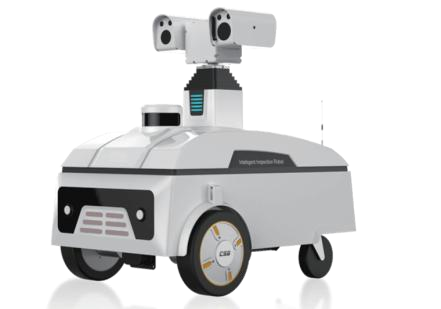
LA-WR-IR100
Wheeled Inspection Robot
Autonomous mobile inspection for substations and equipment rooms using visual, thermal, acoustic and environmental sensing.
Autonomous navigation, positioning and charging
Visible-light and infrared thermal acquisition
Acoustic, partial-discharge and environmental sensing options
Application boundaries, equipment configuration and system interfaces are confirmed during project engineering.
01
Substation inspection
Repeatable inspection routes for electrical equipment and operating areas.
02
Switch-room inspection
Scheduled visual and thermal data acquisition in distribution environments.
03
Constrained industrial spaces
Rail-guided coverage where repeatability and fixed routes are preferred.
04
Remote review
Task scheduling, remote control and historical comparison support maintenance review.
PROJECT INPUTS
What defines the right selection?
Share these inputs early so Kerrix can define the technical route, equipment configuration and interface boundaries.
01
Inspection area, route geometry and fixed or flexible coverage needs
02
Visible-light, thermal and acoustic acquisition requirements
03
Task frequency, fixed-point inspection and historical comparison
04
Remote-control, communication and platform-integration requirements
05
Site access, environmental limits and maintenance arrangements
ENGINEERED TO DELIVER
From requirement definition to continued operation
Kerrix supports solution design, system integration, commissioning, remote diagnostics and spare-parts support so equipment selection remains aligned with project delivery.
01Requirements & duty
02Equipment & interfaces
03Integration & commissioning
04Diagnostics & spares
PROJECT FAQ
Frequently asked questions
01When should a wheeled robot be selected?
A wheeled platform suits projects that need autonomous routes and flexible scheduled or fixed-point inspection across accessible operating areas.
02When is a rail-mounted robot appropriate?
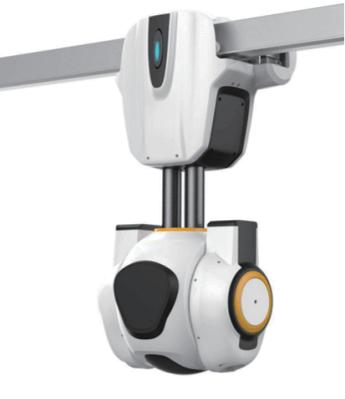
A rail-guided platform is suitable where a repeatable fixed route is required in substations, switch rooms or constrained industrial spaces.
03Which inspection data can be collected?
The current platforms support visible-light and thermal acquisition, with acoustic data included in the wheeled inspection configuration.
PROJECT INQUIRY
Start with the duty. Define the right system.
Send the application, electrical parameters, site conditions and delivery boundary to begin the technical discussion.